Finding The Right Type of Care For Your Elderly Parents

If one or both of your parents are getting older and finding every day life more difficult, it’s natural to worry about what life might look like for them moving forward. Whether you’re currently looking after a loved one or unable to care for them yourself, there are many great options for types of care homes to ensure they have the best quality of life. In this blog, we’ll break down what some common types of care homes offer, and how to know what the best option for your loved one is.
Benefits of Living in a Care Home
Moving into a care home can be a positive and reassuring step for many families. With 24-hour care available whenever it’s needed, residents have constant support while maintaining their independence, giving both them and their loved ones real peace of mind. Modern care homes are designed to feel comfortable and welcoming, offering a supportive, purpose-built environment that truly feels like home. Everyday tasks like cooking, cleaning and laundry are taken care of, allowing residents to relax, focus on what they enjoy, and live comfortably with the right care always close at hand.
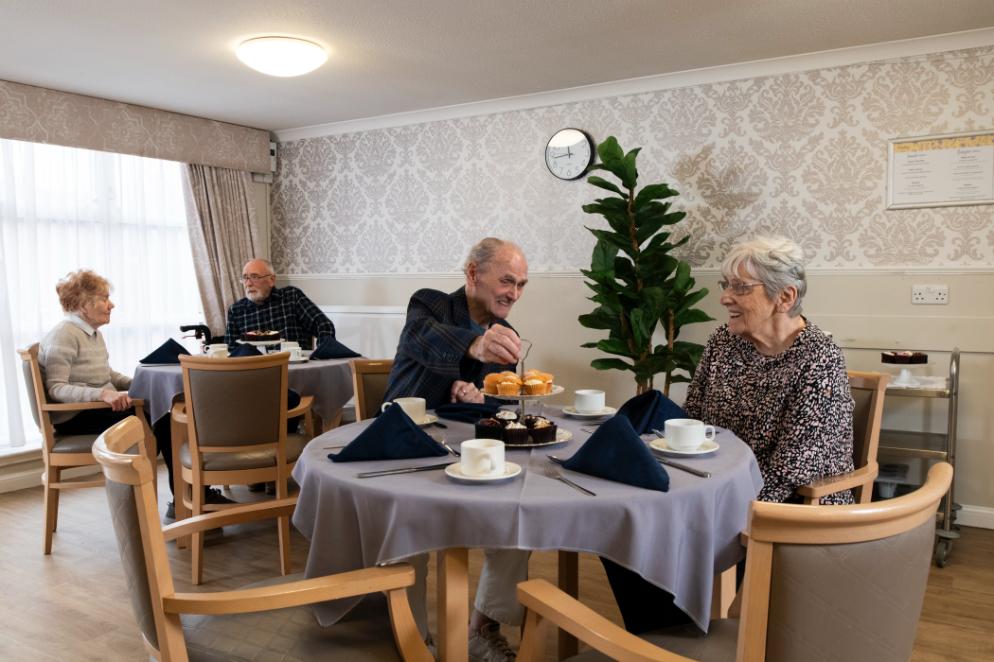
Residents can enjoy social opportunities that help reduce isolation and loneliness, especially for those who previously lived alone, with shared communal spaces for activities and conversation as well as private bedrooms for personal space and choice of lifestyle. Many homes provide therapeutic activities that allow people to continue enjoying their hobbies or discover new interests, supporting brain health and emotional wellbeing.
In high-quality homes residents may also benefit from convenient access to services such as a GP, dentist, visiting physiotherapist, optician and chiropodist.
Types Of Care Homes For Elderly People
There are several different types of care a person can receive in a care home and different homes may offer a combination of these. Understanding each one fully can help you and your parents make the best decision for your family.
Residential Care Homes
Residential care offers gentle, practical support for people who need help with everyday living while still valuing their independence and personal choices. Trained care staff provide assistance with daily tasks such as washing, dressing and using the bathroom, always offering only the level of help a person needs or wants, so dignity and independence are respected at all times.
Care homes are also purpose-designed to make moving around safer and easier, with features such as handrails, wide corridors and clear, tidy surroundings. Equipment like profiling beds and other supportive technologies can further improve comfort and mobility—things that can often be difficult or expensive to install in a private home.
Just as importantly, residents are encouraged to make their own choices wherever possible, from what they would like to wear and when they prefer to get up or go to bed, to selecting from a variety of homemade meals and deciding where they would like to eat. With the freedom to spend their time in ways that suit them, residential care creates a reassuring environment where people can feel comfortable, supported and truly at home.
Nursing Homes
Nursing care provides all the comfort, support and lifestyle benefits of residential care, with the added reassurance of registered nurses on site 24 hours a day. Most homes also have nurse call systems in place, ensuring compassionate, expert care is always close at hand and offering the ultimate peace of mind for both residents and their families. This type of additional care is designed to meet medical needs without sacrificing quality of life, meaning residents can still enjoy social opportunities, engaging activities and welcoming facilities just as they would in residential care.
People with complex health needs, illnesses or long-term medical conditions are best suited to nursing care, with trained professionals providing continuous monitoring and treatment. This can include managing symptoms, supporting recovery after illness or surgery, medication management and wound care, as well as recognising early changes in a person’s health or wellbeing.
Residents also benefit from personalised care plans, which outline their current health, treatments and future care needs while reflecting their personal preferences and lifestyle choices. These plans are regularly reviewed and shared with the wider care team to ensure seamless, responsive care as needs evolve.
It’s also worth noting that because of the additional medical support and specialist services provided, weekly nursing care fees are typically slightly higher than those for residential care, reflecting the higher level of clinical expertise available around the clock.
Respite Care
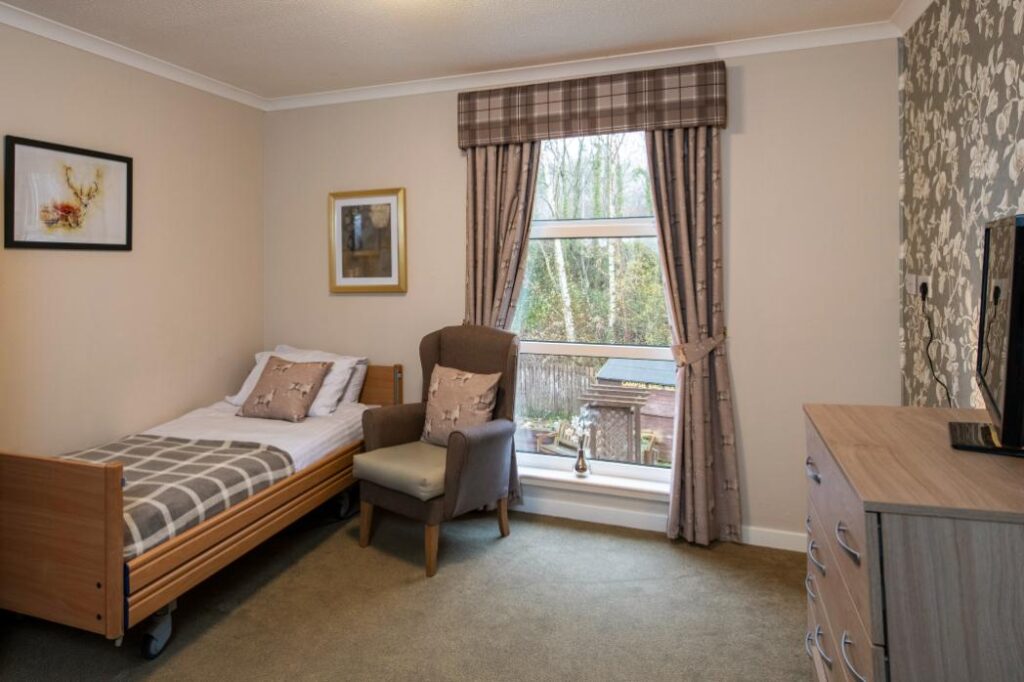
Respite care offers flexible, short-term support for older people who may need a little extra help for a period of time, while also providing reassurance for their families. For example, if your parent has recently been discharged from hospital and only requires temporary support while they recover, a respite stay may be the Respite care is often used to support recovery after illness, injury or surgery, with the goal of helping someone regain confidence and strength before returning home. However, it can also be incredibly helpful for family members who are caring for a loved one and need time to rest, focus on work or personal commitments, or take a holiday knowing their parent is safe and well cared for.
Residents enjoy all the same benefits as those living in the home permanently, including round-the-clock care, comfortable surroundings, activities and facilities available in either residential or nursing care, depending on their needs. Importantly, the quality of care and support remains exactly the same as for full-time residents, offering complete peace of mind.
A respite stay can also provide a gentle introduction to care home life, allowing someone to experience the environment before deciding whether a permanent move might be right for them. Many homes have minimum stay requirements, for instance, some luxury homes such as Campsie View Care Home offer respite stays starting from two weeks, while others may require longer visits. Overall, respite stays can range from a few weeks to several months, often depending on availability within the home.
Dementia Care Homes
As the name suggests, dementia care homes specialise in caring for people who are living with dementia. This includes Alzheimer’s disease, vascular dementia, dementia with Lewy bodies or any of the other over 200 different types of dementia. Because dementia can affect each person differently depending on the type and stage, these homes may provide residential care, nursing care, or a combination of both to ensure every resident receives the right level of support.
Staff are specially trained to understand and manage the wide range of symptoms associated with dementia, which can include memory loss, confusion, changes in behaviour, hallucinations and impaired judgement. Their expertise allows them to provide patient, compassionate care that helps residents feel safe, understood and respected.
If your parent is experiencing the early stages of dementia, think about whether they may prefer to stay in a specialist dementia care home, or a nursing/residential home that also offers specialist dementia care. The advantages to a dedicated dementia home is that every staff member will be trained to deal with even the most severe symptoms of dementia in a dementia-friendly environment and they will be surrounded by peers in a similar situation. On the other hand, a mixed living community and socialising with those not living with dementia can help create a sense of normality and calm anxieties, especially in the early to mid stages.
Continuum Of Care
The continuum of care refers to care homes that offer more than one type of support within the same community, allowing residents to receive the right level of care as their needs change over time. Some homes, such as Campsie View Care Home in Kirkintilloch, provide multiple types of care within the same setting, sometimes even within a mixed-living community, which can be hugely beneficial for residents with a wide range of needs.
This approach allows for a seamless transition between different levels of care, such as moving from residential to nursing support if health needs increase, without the disruption of relocating to a completely new environment. For families, this can provide valuable peace of mind by future-proofing care arrangements, removing the worry that a loved one may need to move again at a time that could already feel stressful or uncertain. Perhaps most importantly, it allows residents to remain in a familiar home where they are known and understood by the care staff they trust, helping them maintain strong relationships, comfort and a continued sense of belonging.

How Do I Know What Type of Care My Loved One Needs?
If you’re unsure what type of care or care home would be best for your loved one, a good first step is to request a care needs assessment through your local council. This assessment is carried out by professionals who will look at your loved one’s health, mobility, daily living needs and overall wellbeing to recommend the most suitable type of care. Their advice can also be discussed with your GP, other healthcare professionals you trust and family members, helping everyone feel confident that the right decision is being made.
After this, you can arrange a financial assessment (or means test), which helps determine how much your loved one may need to contribute towards the cost of their care and whether any support can be provided by the council.
If you already have a particular care home in mind that offers different types of care, the team there will usually be happy to guide you through the options and help you understand what level of support may be most appropriate. A good care home will always place your parent’s wellbeing, comfort and happiness at the centre of every decision, offering reassurance and support throughout the process.
Choosing a Care Home
Choosing the right care home for your loved one is an important decision, and taking time to research your options can help you feel confident that you are making the best choice. It can be helpful to look at inspection reports and reviews from residents and their families, which provide an honest insight into daily life in the home. Websites such as carehome.co.uk share trusted testimonials as well as the latest reports from the Care Inspectorate, the independent body that oversees the quality of care homes in Scotland.
Booking a visit of the care home is also a valuable step, as it allows you to see the environment for yourself and observe how staff interact with residents. Look for teams who are patient, respectful and genuinely caring, and don’t hesitate to ask questions about things like personalised care plans, staff training and daily routines.
It’s also worth considering the facilities available and thinking about what matters most to your loved one. For example, if they enjoy spending time outdoors, a home with a secure private garden can help them continue to enjoy fresh air safely and independently.
Finally, think about location, whether your parent would prefer to remain close to their current community or move nearer to you or other family members, making visits easier and helping them stay connected to the people who matter most.
Broaching the conversation about care with your parent can be difficult or awkward, but it’s important to prioritise your loved one’s wellbeing first and foremost. Sitting down and talking them through the options and explaining the benefits of care can help calm anxieties and reduce frustrations. If you need any help talking deciding on the best type of care for your parents, or have any questions about care homes in the East Dunbartonshire area, please get in touch with our friendly team today.
Care Homes in East Dunbartonshire
If you’re looking for an exceptional care home near Glasgow, we’re sure your parent will love Campsie View. Our compassionate, personalised care is delivered by friendly staff in a peaceful and welcoming environment, and we care committed to fostering a serene sense of security, comfort and belonging. Our vibrant entertainment and activities programme has something for everyone, and our luxury facilities truly enhance every resident’s quality of life. Come and see what life at Campsie View is like for yourself by booking a home visit today. We can’t wait to meet you.