What Does a Dementia Friendly Environment Look Like?
Taking a holistic approach to dementia care means making sure that the individuals every day life is as calming and stress-free as possible, and a great first step is to look at our surroundings. Creating a dementia-friendly environment is vital in supporting a person’s wellbeing and safety, but can be as simple as making a few changes around your home.
Dementia specialist care homes are a brilliant example of how a purpose-built and nurturing setting can improve the quality of life for people living with dementia. In this blog, we’ll discuss what is meant by a dementia-friendly environment, what one can look like and the huge positive impact they can have.
What is a Dementia-Friendly Environment?
A dementia-friendly environment is a safe and supportive place that uses a thoughtful approach to design to meet the various needs of people living with dementia. The phrase can be used to describe any place, whether it is a persons’ home, a local shop or a care home, but these settings will all take a slightly different approach to the adaptions they make. Dementia-safe surroundings are created to support and adapt to changing needs over time, recognising that dementia can affect individuals in different ways. By considering layout, lighting, signage, and sensory elements, these environments can help people manage a variety of symptoms associated with dementia, including memory loss, confusion, hallucinations, communication difficulties, and changes in behaviour. The overall aim is to reduce distress, promote independence and enhance wellbeing and quality of life.
A specialist dementia care home can make life a lot easier for families affected by dementia. 24-hour support reduces the risk of accidents as expert nurses are on hand for medical care and reassurance should a person fall or become distressed, for example. A care home also eliminates the stresses of every day chores such as cooking, cleaning or laundry, which can become dangerous for a people with dementia who is living alone. These chores can also be neglected if the individual doesn’t remember to do them, leading to unclean surroundings which are detrimental to physical and mental health.
Dementia Safety
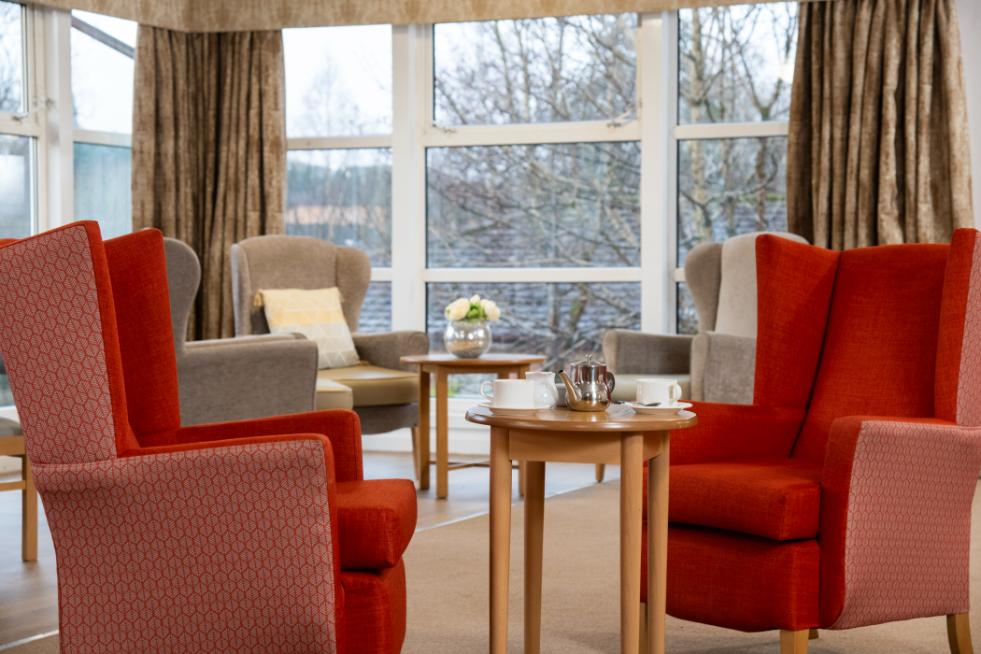
A purpose-built care home contains many features that support residents’ safety and independence, including wide corridors, wheelchair accessibility, and grab rails in bathrooms and throughout the building. However, dementia can cause a range of symptoms that require additional considerations, some of which can also be implemented in people’s homes.
Dementia-Friendly Lighting
Lighting plays an important role in creating dementia-friendly environments by supporting comfort, orientation, and wellbeing. Adaptable lighting, with as much natural light as possible, helps maintain a sense of time and place while creating a calm and familiar atmosphere. Soft lighting is used to reduce glare and shadows, as these can be misinterpreted by people living with dementia which can cause anxiety or distress.
Carefully planned lighting that supports normal sleep–wake patterns can also help reduce sundowning, a term used when people with dementia become increasingly agitated and confused after the sun sets as their perception of time, day, and night becomes muddled. In addition, practical features such as touch lamps can support people with motor skill difficulties, making it easier and safer for them to control their environment independently.
Flooring
Flooring can greatly affect safety, confidence, and perception for people living with dementia. Plain, non-patterned flooring is favourable as patterns and reflections can be confusing for people with perceptual difficulties and may cause distress or hesitation when walking. Dark floor mats should be avoided, as people living with dementia may perceive them as holes or obstacles; instead, flooring should contrast clearly with walls, be non-shiny, and avoid colours that could be mistaken for other materials such as grass or water.
Reducing trip hazards, such as loose rugs or items left on the floor, allows residents to move freely and safely, supporting independence, confidence, and freedom of movement. In addition, dementia-friendly flooring should not be noisy or echoey, as sound can be distracting or uncomfortable, particularly for individuals who use hearing aids, so materials that absorb sound are preferred.
Navigating Spaces
Signage is an easy change to make when creating a dementia-friendly environments, helping people navigate spaces when their cognition and decision-making are affected by their condition. Signs need to be clear, simple, and easy to understand and should use a combination of words and symbols, as dementia can affect a person’s ability to recognise text or images differently depending on the individual. Signage is particularly important for key areas such as toilets and exits, and should be bold, high-contrast, placed at eye level and positioned directly on doors rather than beside them.
In addition, contrasting coloured door frames can make a home much more navigable, while furniture that contrasts with walls is easier to see and identify. Reducing clutter also encourages independence and can give people living with dementia the confidence to navigate an area without assistance, boosting their self-esteem, emotional wellbeing and physical health.
Small Adaptations
Seemingly small changes can make a significant difference in how people living with dementia feel in a setting by supporting their independence and reducing confusion or distress. Dementia can affect how people perceive colour, so using dark-coloured plates can help food stand out and appear more appealing, encouraging eating. Similarly, toilet seats in a contrasting colour to the toilet and floor are easier to see for people with visual difficulties.
Using clear “landmarks,” such as distinctive pictures or objects, can help individuals navigate their surroundings more independently. Reflections can also be distressing if a person does not recognise themselves, so mirrors may be removed or covered, and curtains closed in the evening to prevent reflections in glass.
Practical aids such as clocks that show whether it is day or night, big-button phones for those with mobility or sight issues and phones with photo buttons can all help people stay oriented and maintain contact with loved ones. For individuals living at home, a whiteboard placed in a clearly visible location with simple, easy-to-understand daily reminders can also support routine, memory, and confidence.

Creating a Dementia Community
Creating a dementia-friendly environment goes beyond the physical changes made to a building. A huge part in helping people living with dementia feel included and safe is how they are treated by their loved ones, carers and peers.
Quiet, Peaceful Areas
Relaxing spaces to retreat to are essential for the wellbeing of people living with dementia, as they help reduce anxiety, confusion, and sensory overload. When someone is feeling overwhelmed, having access to a calm space allows them to take time for themselves or talk with a supportive person in a relaxed setting.
Reducing background noise, such as turning off the television or radio when no one is listening helps minimise distractions and prevents unnecessary stress. A quieter atmosphere can improve concentration, communication, and emotional wellbeing, making people with dementia feel more comfortable, secure, and in control of their surroundings.
Person-Centred Approach
Person-centred care is central to the quality of life for all care home residents because it recognises and values each individual’s unique needs, preferences, and life history. Maintaining familiar routines from home, such as regular mealtimes and bedtimes, helps provide comfort and stability. Listening to and empowering individuals is essential, as personalities and preferences can change with dementia, making it important to keep care plans regularly updated.
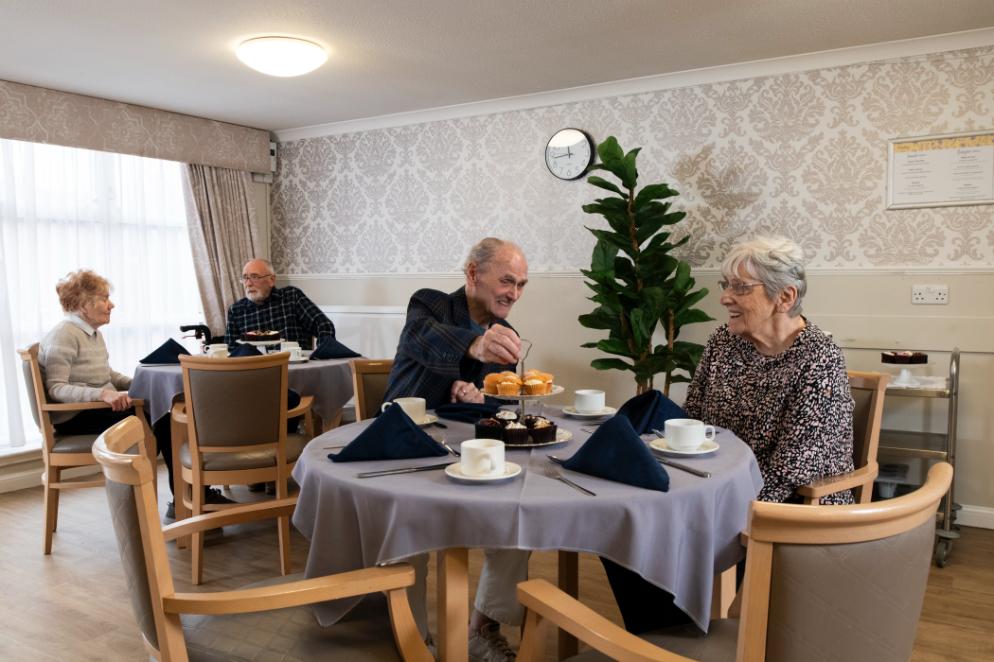
Tailored dining plans can encourage people living with dementia to eat and stay hydrated, especially as dulled senses may lead to cravings for sweeter or spicier foods. Support may also be needed with swallowing or using cutlery, where large-handled utensils can help maintain independence. Creating a supportive environment where making a mess is accepted reduces embarrassment and stress and will do wonders for a person’s mental health.
Person-centred care also means recognising individuality within a welcoming community, supported by patient and compassionate staff. Alongside emotional wellbeing, physical health must be prioritised through regular eye and hearing tests, medication support, and access to systems such as a 24-hour nurse call, ensuring people feel safe, respected, and well cared for.
Keeping People with Dementia Engaged
Varied activities are a key part of creating a dementia-friendly environment, as they provide opportunities for engagement, enjoyment, and cognitive stimulation. Activities should be accessible and adaptable so that people of all abilities can participate, such as simple art projects, gentle guided exercise, or gardening in raised flower beds.
Secure outdoor spaces allow residents to enjoy fresh air and movement safely, without the risk of becoming lost. Sensory activities, such as handling textured objects, listening to music, or engaging with aromatherapy, can be particularly beneficial, helping to reduce anxiety and promote calm. Photographs and reminiscence activities support cognitive function by encouraging memory recall and conversation, while also bringing joy and evoking positive memories. By offering a range of meaningful, enjoyable activities, dementia-friendly environments help maintain independence, enhance wellbeing, and foster a sense of purpose and connection.
Dementia-Friendly Care Home in Lanarkshire
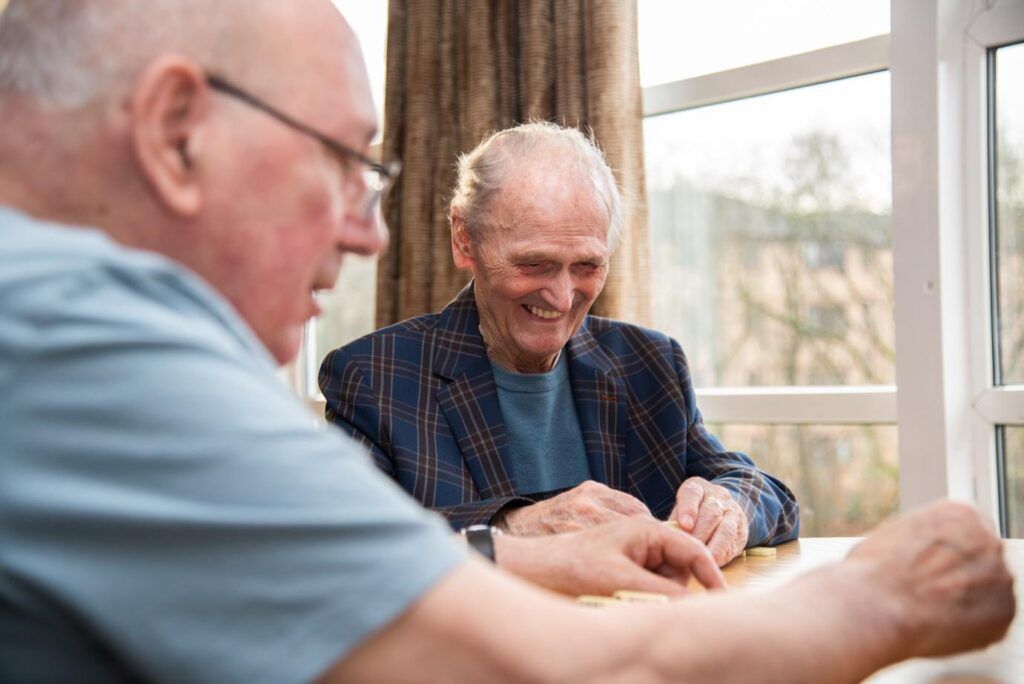
Here at Campsie View Care Home in Kirkintilloch, we have worked hard to create an environment where our residents living with dementia feel relaxed and empowered, giving their loved ones complete peace of mind. Our compassionate and empathetic staff future the social, physical and psychological wellbeing of every resident, recognising their differences and personalising their care based on needs, preferences and personalities. To experience our warm and welcoming atmosphere for yourself, please get in touch today to arrange a home tour. We can’t wait to welcome you.