

Looking for residential care in Glasgow can feel overwhelming, especially when you’re unsure where to start. Whether you’re planning ahead or responding to recent changes, you’ll want to make sure you are receiving the best possible care. This guide explains the key steps, from arranging a care assessment to choosing the right care home.
What is Residential Care?
Residential care provides safe housing and round-the-clock support for people who can no longer live independently, whether due to age, illness or disability. This type of care is most suitable for people who have difficulty managing daily tasks or are experiencing health and mobility issues that are causing safety concerns at home. It is the perfect solution if your needs are beginning to exceed what your loved ones are able to provide, as 24-hour support could provide this reassurance.
Highly-skilled care assistants assist with activities such as washing, dressing and eating. In good residential care, this support is not invasive or overbearing and residents are encouraged to be independent wherever possible. Chores such as cleaning and cooking are taken care of, allowing residents to relax and focus on doing what brings them joy. The communal nature of a care home also combats loneliness and engaging activities help residents live a fulfilling and engaging lifestyle.
Nursing care is slightly different, as it provides everything included in residential care, with an additional layer of medical support. This is most suitable for those who need ongoing clinical monitoring or treatment, as qualified nurses are on-call at all times. If you’re not sure what level of support is right for you, an expert can help you figure this out during a care assessment or a discussion with a care home.
It’s worth noting that availability and costs will vary between care homes in Glasgow, but it’s important to not compromise on finding a home you feel truly happy in.
Getting an Assessment from Glasgow City Council
The formal route towards getting residential care in Glasgow usually begins with contacting your local council’s health and social care service to request a care needs assessment. This can be done by yourself, a loved one, a GP or another professional involved in your care. If you live in Glasgow, you can contact Glasgow City Council Social Work Services directly; if you live elsewhere in Scotland, you can find your local council’s social care department website via Care Information Scotland.
The purpose of a care needs assessment is to help a social worker understand your overall situation. This includes looking at your health, level of independence, daily living skills and the type of support you need to stay safe and well.
Based on the assessment, the council will decide whether residential care is appropriate and what level of support is required. They will also carry out a financial assessment to determine eligibility for funded care support, which may contribute towards or cover the cost of care depending on individual circumstances.

Who pays for residential care in Glasgow?
The cost of residential care in Glasgow is usually worked out after a financial assessment (means test) carried out by your local council. This assessment looks at income, savings and assets to determine what level of support someone may be entitled to.
In some cases, the council may contribute towards the cost of care or cover it in full, depending on eligibility. However, many people will need to contribute towards their care costs themselves, either in part or in full.
Some individuals may also be eligible for additional support through benefits such as Pension Age Disability Payment, which can help contribute towards the overall cost of care.
Choosing a Care Home in Glasgow
There are any factors to consider when choosing residential care in Glasgow. Firstly, think about where you would like to live and how convenient it would be for family to visit you. For example, if you like the thought of a peaceful, countryside life, you might consider a home on the outskirts of Glasgow, where you’ll still benefit from easy transport into the city.
You might want to look for care homes that provide nursing care as well as residential care, so that care can adapt if needs change. These are called dual-registered care homes and can eliminate the need for a stressful move if you require a higher level of support later in life. Additionally, some homes may provide specialist dementia care or support for specific disabilities or conditions, which can be reassuring.
Looking at care quality inspections is a great starting point when searching for a care home, as they will tell you if a home is meeting the minimum requirements. The Care Inspectorate is an independent body that rates care settings in Scotland and gives a good overall view of the quality of care given in a home. Website such as carehome.co.uk collate verified testimonials from real families, which can provide more detail into what life at a care home may actually be like.
Visiting Glasgow Care Homes
When you’ve found a few care homes you like the look of, make sure to arrange a tour to get a feel for the home’s atmosphere, facilities and activities. It is helpful to make a list of questions to ask on your care home visit or things you'd like to make note of. For example, stay and observe for a while; are staff maintaining residents’ independence and dignity? Do residents look alert, happy and engaged? Does the home smell fresh and look clean? The team should be happy to answer any questions you might have, and you could even speak to visiting family members about their opinions on the home.
You may wish to consider a trial stay, which are often offered by homes that also offer respite care. For example, at Campsie View Care Home, residents are welcomed to stay for a six week trial period so they can see what life will be like at the home before making the decision to move in permanently.


Getting a Care Home Placement
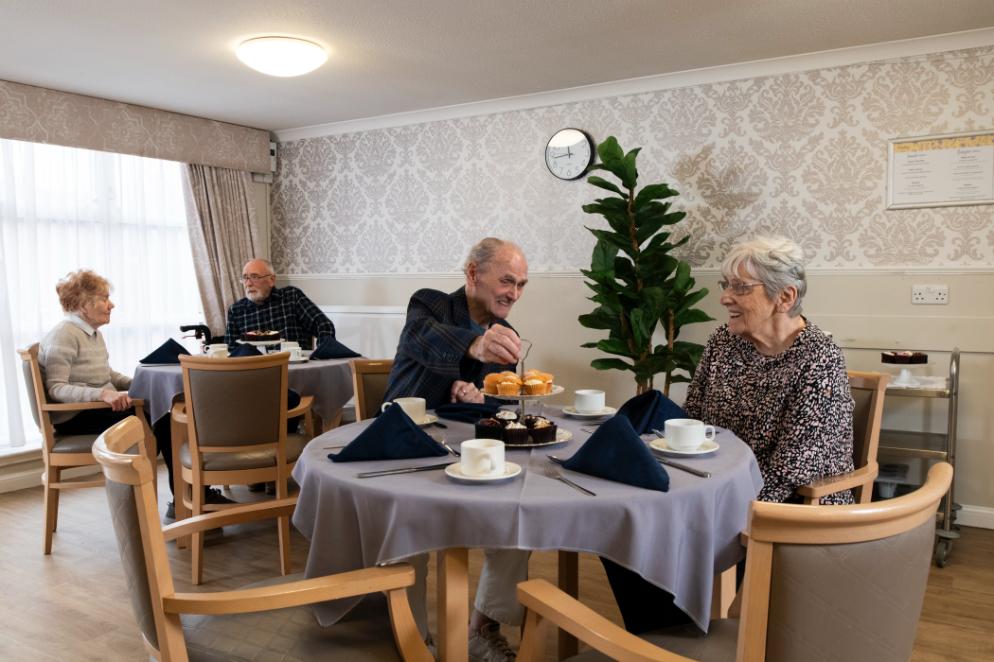
A care expert from your chosen home will walk you and your family through the process, from confirming availability to moving in. The home will work with you and your family to create a personalised care plan based around your requirements, preferences and interests, to ensure your life is tailored perfectly to you. Then, it is a case of working out the logistics of moving in and helping you through the paperwork.
Care staff at the care home will also provide emotional support and reassurance for residents and carers, particularly during this potentially challenging transition period. It is likely this will be an emotional time and there will be a period of adjustment for families, but a great care home will make this as comfortable as possible.
Campsie View Residential Care in Glasgow
Here at Campsie View, we work closely with residents and their families to ensure a smooth transition into residential care. We understand that this can be a difficult process, so our friendly team go above and beyond to provide the highest standards of support. We take the time to truly get to know all our residents, so that their care can be personalised to their exact needs and values. Please get in touch today to discuss what you’re looking for in a care home, or arrange a home tour to see what makes Campsie View special.