How To Choose a Care Home in East Dunbartonshire

Choosing a care home you can trust can feel daunting, particularly when you are supporting a loved one in making this big decision. By understanding the main types of care, thinking about the lifestyle your loved one would enjoy and visiting homes in person, you can make the search feel much more manageable.
This guide explains how to choose a care home in East Dunbartonshire with confidence, while keeping your loved one’s wishes at the centre of each decision.
Types of Nursing Homes
When choosing a care home, it helps to have a good understanding of what type of support you are looking for. This can help narrow down your search, although the care experts at each home should always be happy to answer your questions and guide you through the options.
Residential care, nursing care and dementia care all provide different types of support, so the right choice will depend on your loved one’s needs.
What Is a Residential Home?
A residential care home provides a safe and comfortable place to live, with support available throughout the day and night. Residents have their own room and access to shared spaces, such as lounges, dining areas and gardens.
Staff can help with everyday tasks, meals, medication and personal care, while also providing companionship and opportunities to enjoy hobbies and activities. Residential care can be a good option for someone who would benefit from extra support and the reassurance of having people nearby.
What Is the Difference Between Residential and Nursing Care?
Nursing care provides the same support as residential care, but with qualified nurses available to assist people with more complex health needs or ongoing medical requirements.
Some care homes offer both types of care, allowing residents to remain in familiar surroundings if their needs change over time.
What Is Dementia Care?
Dementia care is designed to support people living with conditions such as Alzheimer’s disease or other forms of dementia. It focuses on providing a calm, supportive environment where each person’s routines, preferences and life experiences are understood. Staff should take time to learn about each resident and provide care that helps them feel comfortable, respected and involved in daily life.
Can Respite Care Help Before a Permanent Move?
Respite care provides a temporary stay in a care home and can be useful for short-term support, such as after an illness or while a family carer takes a break.
It can also be a helpful way to experience life in a care home before making a decision about permanent care. A trial stay gives your loved one the chance to meet the team, explore the surroundings and see if the home feels right for them.
How Do I Choose a Care Home?
Choosing a care home is a very personal decision, so try and keep the person who will be moving into care involved throughout the search wherever possible. Ask what they would like their new home to feel like and which parts of their current routine they want to continue. Include them in visits and give them space to ask their own questions.
Being part of the decision can help the move feel more positive. It also gives the care team a better understanding of the person they will be welcoming.
Choosing a Location
Location can play an important part in helping someone feel at home.
For some people, staying close to family and friends will be the priority. A nearby home can make regular visits easier and allow familiar relationships to remain part of everyday life. Your loved one may also want to stay near a church, social group or area they have known for many years.
Others may prefer to live close to Glasgow so they can remain connected to the city, its culture and familiar places. Someone who enjoys quieter surroundings may feel more settled in a peaceful location with countryside views and outdoor space. A well-positioned care home in East Dunbartonshire can offer a calm setting while remaining within easy reach of Glasgow and surrounding communities.

Facilities and Activities
The home’s lifestyle should reflect your loved one’s interests and personality rather than expecting them to fit into a set routine.
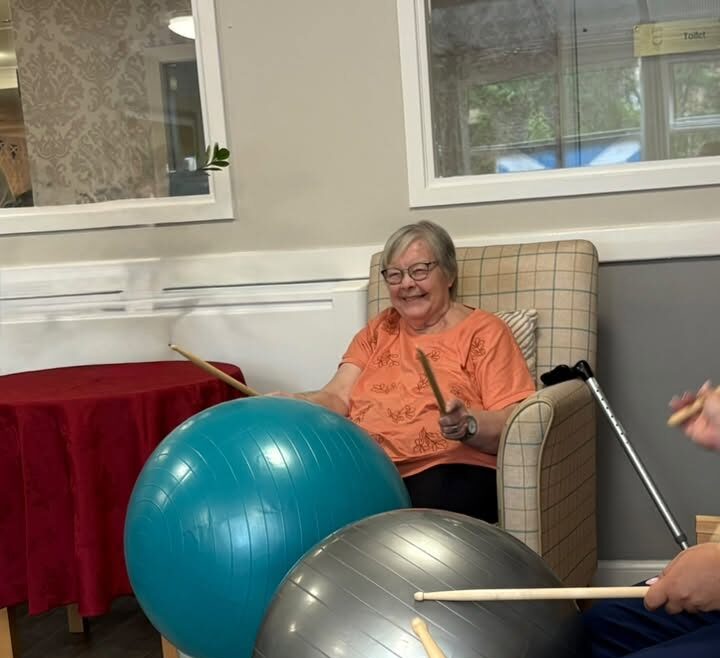
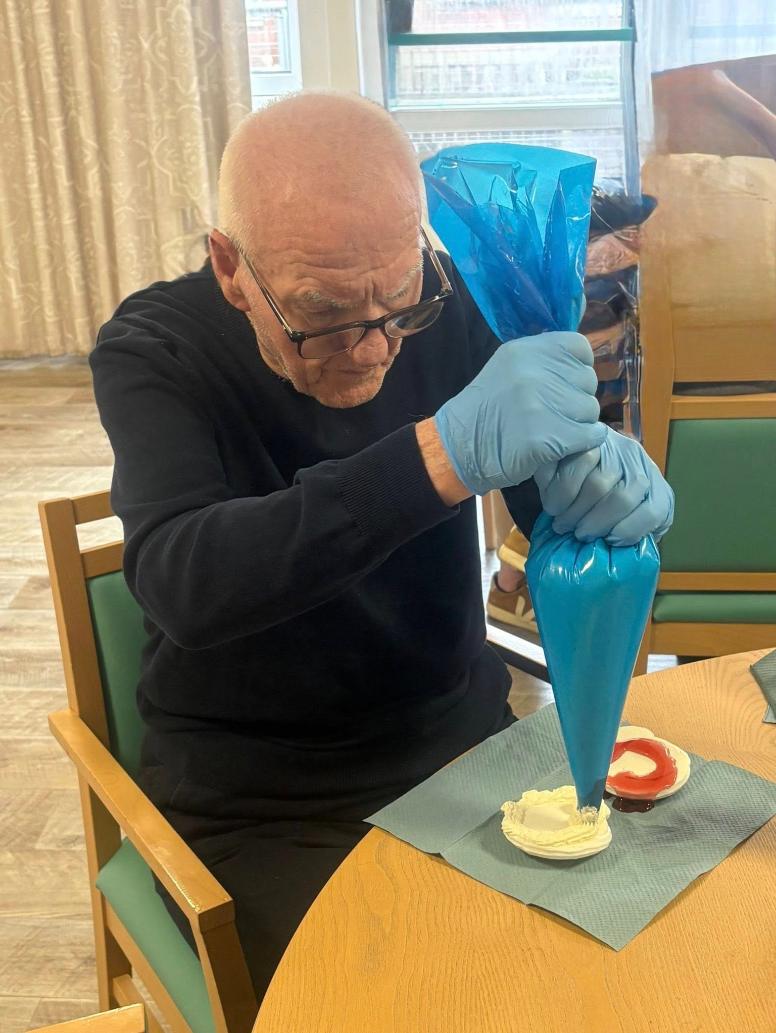
Ask to see the current activities programme and find out how staff decide what to offer. Activities may include gentle exercise, music, crafts, gardening or film afternoons. Some residents may enjoy organised events, while others prefer a quiet conversation, a favourite book or time in the garden.
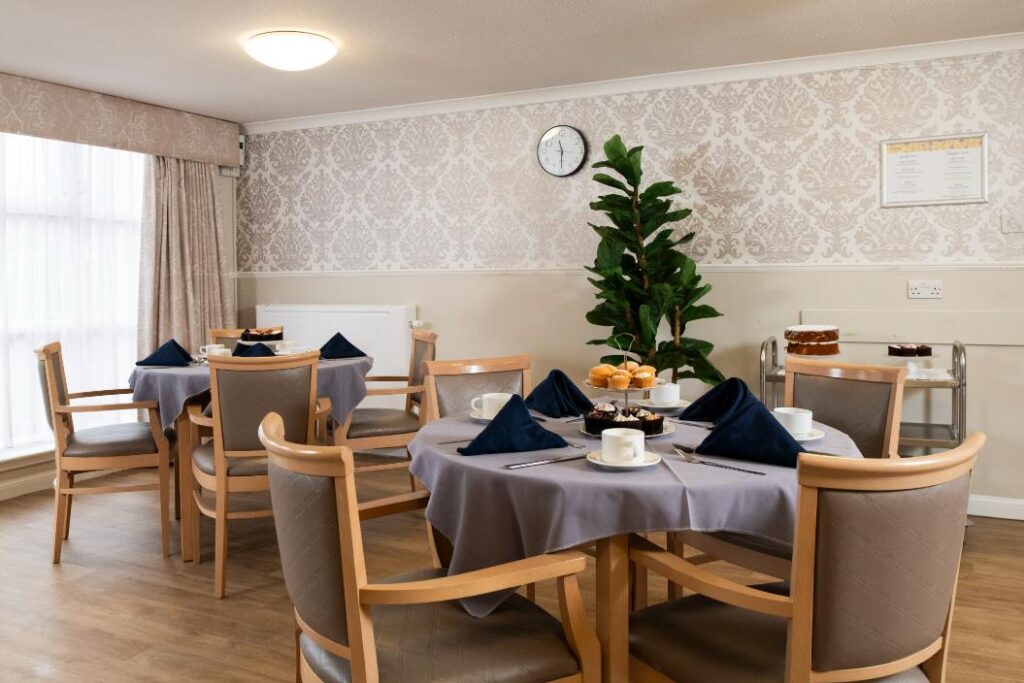
Facilities can also shape daily life. Private gardens may appeal to someone who enjoys fresh air and nature. Comfortable lounges provide space for residents to spend time together or welcome visiting family members.
Look beyond the list of facilities and ask how residents actually use them. A room may look impressive during a tour, but what matters is whether it supports a warm and enjoyable way of life.
Visiting Policies
Family contact should remain a natural part of life after someone moves into care. A good home will welcome visitors and make it easy for residents to spend time with the people they love.
Ask whether relatives can visit at different times of day and whether the home provides comfortable private spaces for visits. Find out how staff support special occasions, such as birthdays or family meals, and whether residents can go out with relatives when they wish.
A Safe Care Environment
Safety in a care home can include practical equipment, but it also means knowing that staff understand your loved one, notice changes in their wellbeing and respond promptly when support is needed.
Ask how the home assesses each resident’s needs and how often staff review their care. Find out how the team manages medication, supports safe movement and responds to emergencies. Bedrooms and communal areas should feel easy to navigate, with suitable equipment available for those who need it.
Pay attention to staffing as well. Staff should have the right training and enough time to speak with residents without appearing rushed. There should be a clear process for raising questions or concerns, and the team should keep families informed in a way that respects the resident’s privacy.
A safe environment should help your loved one feel comfortable and confident. It should also allow you to leave after a visit feeling reassured rather than uncertain.
Visiting a Care Home
Websites, photographs and brochures can help you create a shortlist, but an in-person visit is the best way to understand the atmosphere of a home.
The visit should feel relaxed and carry no obligation. A member of the team should show you around, answer your questions and give you enough time to take in the surroundings. They should not rush you towards a decision.
Notice how the home feels when you arrive. Does someone greet you warmly? Do residents appear comfortable and at ease? Listen to how staff speak with them. Respect often shows in everyday moments, such as knocking before entering a room, offering choices at mealtimes or pausing to have a friendly conversation.
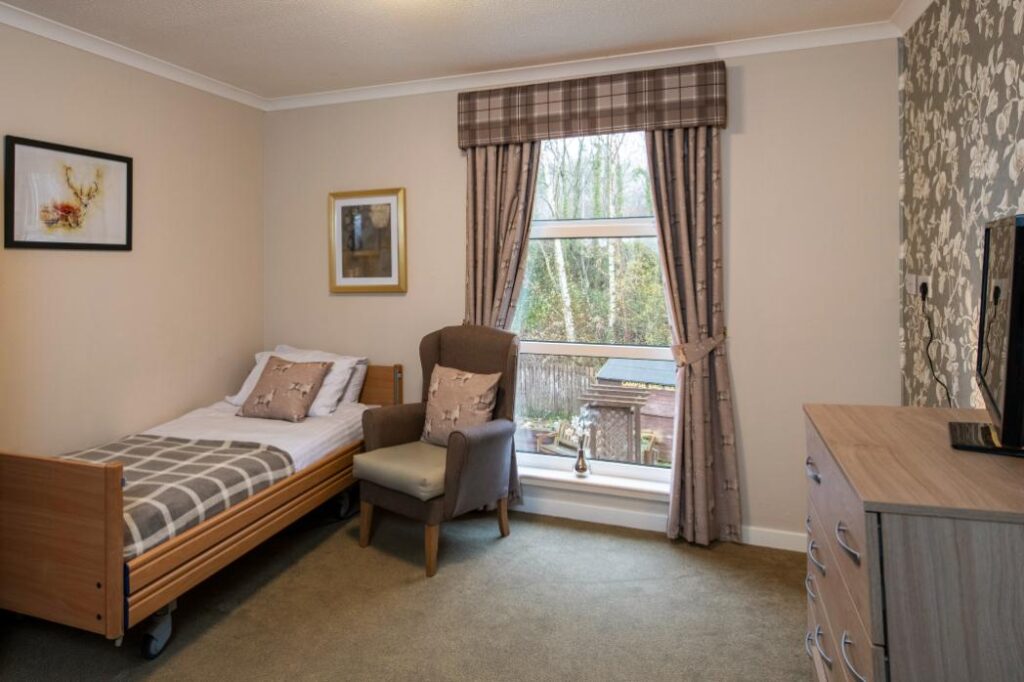
Look at the condition of the bedrooms and shared spaces. The home should be clean and well maintained without feeling impersonal. You may notice residents’ photographs, favourite ornaments or pieces of furniture in their rooms. Personal belongings can help a new space feel familiar.
Where possible, visit more than once or at different times of day. This can give you a fuller picture of the home beyond a planned tour.
Questions to Ask on a Care Home Visit
How Will You Get to Know My Loved One?
Ask how the team learns about each resident’s background, interests and routines. Good care begins with knowing the person rather than focusing only on the support they require.
The team should ask about details such as preferred mealtimes, favourite music and how the person likes to spend a quiet afternoon. These small parts of daily life can make a new home feel more familiar.
Who Will Provide Their Day-to-Day Care?
Find out who will support your loved one and whether they will see familiar members of staff regularly. Ask how the home introduces new residents to the team and whether each person has a named member of staff or key contact.
You may also wish to ask about staff training and how the home supports employees to develop their skills.
How Do You Plan and Review Care?
The home should create a care plan with input from the resident, their family and relevant health professionals. Ask how often the team reviews this plan and what happens when someone’s preferences or support needs change.
A care plan should guide the team whilst continuing to listen to the person and adapting their support.
What Choices Do Residents Have Each Day?
Ask how residents choose when to get up, where to eat and how to spend their time. Find out whether the kitchen can accommodate dietary needs and personal preferences.
It is also useful to ask what happens when someone does not want to join an organised activity. Staff should respect that choice and offer other ways to spend time, rather than treating participation as expected.
How Will You Keep Our Family Informed?
Clear communication can help everyone feel reassured. Ask who you should contact with questions and how the team shares updates.
How Do You Help New Residents Settle In?
Moving into care is a major change, even when the person feels ready. Ask how the home prepares for a new resident and what support it offers during the first few days.
The team may arrange familiar items in the bedroom, introduce staff gradually or plan the first day around the person’s usual routine. Family visits can also provide comfort while the surroundings become more familiar.
A Care Home in East Dunbartonshire You Can Trust
At Campsie View Care Home in East Dunbartonshire, we offer high-quality care in an idyllic location, with peaceful surroundings and easy access to Glasgow. Residents can enjoy comfortable spaces, varied activities and support shaped around their individual routines.
Our team understands how much trust families place in the people caring for someone they love. We provide expert residential, nursing, dementia and respite care in a warm setting in East Dunbartonshire. We welcome families to visit, meet our team and explore the home without pressure, so you and your loved one can decide whether it feels like the right place. Arrange a home tour today to get started; we can't wait to meet you.