
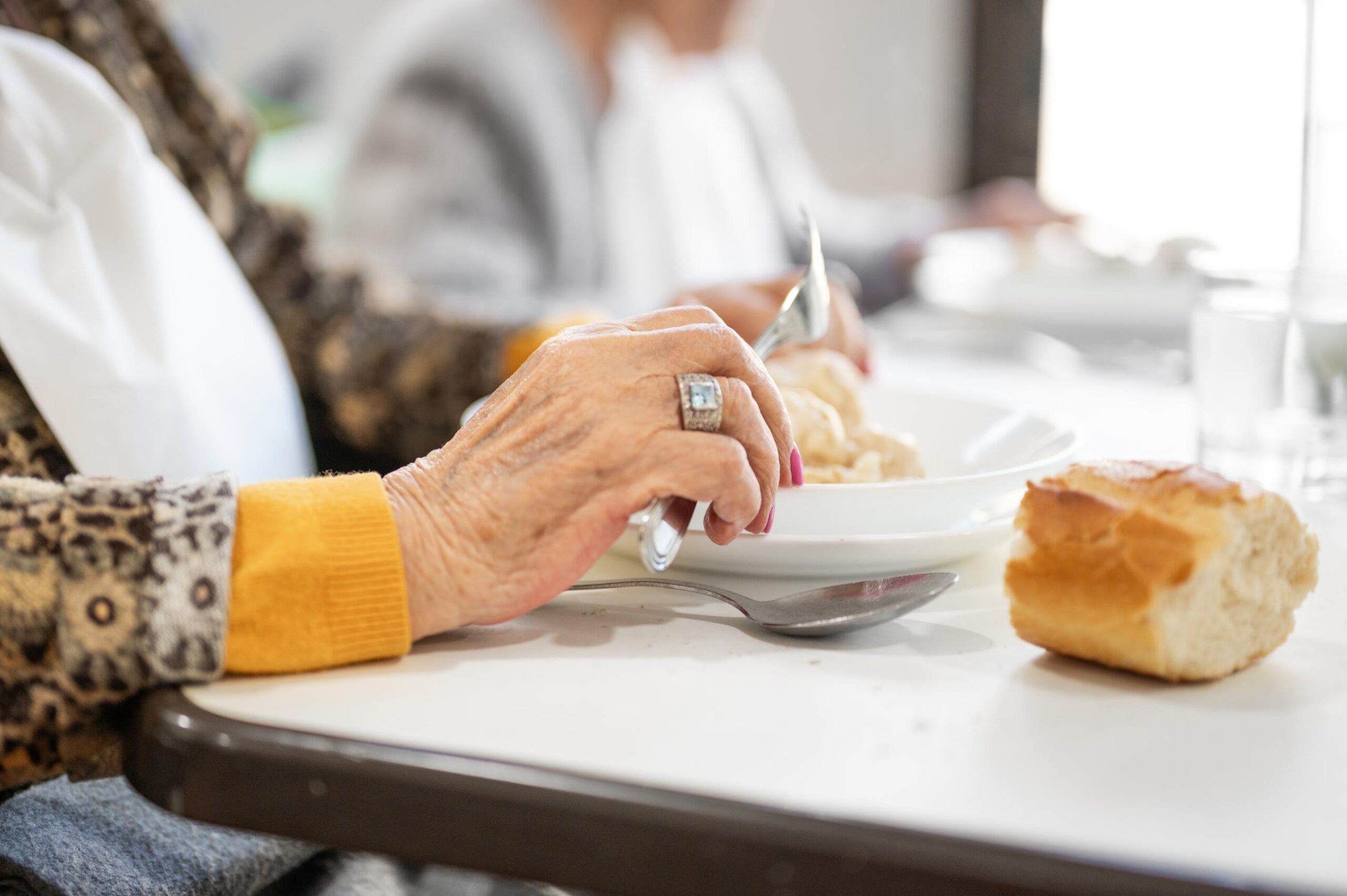
Eating a healthy, balanced diet is essential for our physical and mental wellbeing, and this becomes especially important as we get older. However, maintaining good nutrition can sometimes be challenging for elderly people, particularly those living with health conditions or requiring additional support.
If you're considering a care home for yourself or a loved one, you can feel reassured that care homes are well-equipped to support every aspect of their residents' wellbeing. From freshly prepared, nutritious meals to personalised care plans and round-the-clock support, care homes help older people stay healthy, happy and well-nourished.
The Importance of Nutrition and Hydration in Older People
Eating well is essential for our physical and mental health, especially for older people and those living with long-term health conditions who are receiving nursing care.
A balanced diet is one that contains the right amount of each food group, including fruit and vegetables, starchy foods, protein, dairy (or suitable alternatives for vegans or those with allergies), and oils and spreads. It also involves limiting the amount of foods that are high in fat, salt and sugar. A good diet also includes the nutrients, vitamins and minerals we need to stay healthy. A simple way to stick to a healthy diet is to follow the Eatwell Guide laid out by the NHS.
Importantly, a great diet will also be enjoyable. Delicious food supports our emotional health, brings people together and can even bring back happy memories.
Risks of Malnutrition
Not eating a well-rounded diet can have serious implications for our health, including malnutrition.
Obvious signs of an unbalanced diet include significant weight loss or weight gain, but these are not the only symptoms. Older people not getting the right nutrients will likely feel weak and tired, and are therefore more at risk of falls. They are also more likely to become ill from infections, and any wounds may take longer to heal. These symptoms can be especially concerning for older people who are already frail.
They may also show changes in their behaviour or become depressed due to their body not receiving the fuel it needs to function properly.
Care home staff are highly trained to recognise the symptoms of malnutrition, even if they develop slowly over a long period of time. This means that any concerns can be identified and addressed as early as possible, helping residents maintain a balanced diet and good overall health.
Staying Hydrated
It is equally important for older people to stay well-hydrated. The official advice from NHS Scotland is that we should aim to drink around 6–8 glasses of fluid per day.
Drinking enough water can be more difficult for older people, as they may be less aware that they are becoming dehydrated. Therefore, they need plenty of support and reminders from those around them, whether it's family members or care home professionals.
Although it can sometimes feel difficult, maintaining good hydration helps to prevent urinary tract infections (UTIs), headaches, confusion and dizziness, making it especially vital for those living in a care home. Serious dehydration can lead to kidney problems, including kidney stones, and increase the risk of skin conditions such as pressure ulcers, as well as other severe health complications.
Older people living in care homes can be at less risk of severe dehydration due to the round-the-clock care they receive and ongoing reminders to drink water.

Nutrition in Health and Social Care
Care homes use a range of approaches to encourage healthy eating and support their residents' overall health.
Having an in-house chef ensures that a care home has full control over each resident's meals, helping to ensure their overall diet is well-balanced and tailored to their preferences. Fresh food is much more appetising, which makes maintaining good nutrition feel easy, natural and enjoyable for residents.
Offering Choice
Many care homes will offer residents a choice of what to eat and when. This includes providing access to regular healthy snacks throughout the day, as well as treats. Many older people prefer to graze on smaller portions throughout the day rather than eating three large meals, so this should be accommodated wherever possible.
Residents are often given a choice of nutritious meals from a rotating menu, so they can choose whatever they are craving that day. Where they would like to eat their meal is also up to them, whether it's in the social communal dining room or in the privacy of their own bedroom.
Support at Mealtimes
Supervision is always available at mealtimes, offering respectful support that still promotes dignity and independence. For example, residents who struggle to hold a knife and fork can be offered finger foods, have their food pre-cut into bite-sized pieces or use adapted cutlery with large handles.
Some older people, particularly those living with dementia, may struggle to swallow and therefore need additional support and monitoring while eating. The constant reassurance provided by care home staff can give people the confidence to enjoy their food again.
Monitoring Residents' Health
Care assistants and other staff will also monitor residents' weight and appearance in a respectful and dignified way. If a person starts losing or gaining weight or is perhaps looking paler than normal, their meals can be adjusted to address any potential issues quickly, or staff can assess whether any further medical examination is necessary.
If a person is struggling to get the nutrition they need from their meals, nutritional supplements can be prescribed where appropriate to ensure they are staying healthy. A nurse or dietitian can create a long-term nutritional plan to work out the best way to ensure the physical health and wellbeing of a resident.
Care Home Menus
A great care home will offer a rotating menu that also changes based on the season and the best ingredients available.
Trained chefs will be happy to take requests from residents to cook their favourite meals and can even adjust each meal on their menu to cater to each resident's preferences. Residents can decide from a choice of meals depending on what they would like that day, with each meal carefully crafted to provide all the nutrients they need.
If you're concerned about your loved one's nutrition when choosing a care home, ask to see an example of their menu. You may even be able to try a sample of the food yourself.

How Personalised Care Plans Support Nutrition
Personalised nutrition plans are a key part of a resident's personalised care plan. These plans are made by a care expert in collaboration with the resident and their loved ones, prior to a person moving into a care home. This ensures that all meals are tailored to the person's specific health conditions, dietary restrictions or preferences, and personal tastes.
Allergies are taken extremely seriously, as well as any other special diets, whether a person is gluten-free, vegetarian, vegan, following a low-sugar diet or has religious restrictions around what they can eat.
By taking these individual requirements into account, care homes can ensure that residents enjoy meals that are both nutritious and suited to their personal needs.
Nutrition and Dementia
Dementia can affect all of a person's senses, and a loss of appetite is common as the condition progresses.
A person living with dementia may experience changes in taste and smell, and they may start to find some textures, smells or colours off-putting. Many people also develop an increasingly sweet tooth, so it is important that sugar consumption is monitored to ensure a person's health and dental hygiene are maintained.
It is also important to encourage people living with dementia to eat regularly, as they might not realise that they are hungry or may forget to eat altogether.
Care homes support people living with dementia to eat healthily by respectfully offering support, providing soft finger foods that are easy to chew and swallow where appropriate, giving them plenty of time to eat their food and being flexible around mealtimes.
The social setting of a group meal can often prompt a person with dementia to realise that they are hungry, making communal dining a valuable part of their daily routine.
Food might also look more appealing to a person living with dementia if it is served on a coloured plate to help it stand out. More colourful foods with a range of vegetables and food types might also look more appetising.
Care homes can also encourage people living with dementia to stay hydrated by offering drinks in a coloured or stemmed glass, where suitable for the individual, making them easier to recognise and more appealing to drink.
Enjoy Nutritious Dining at Campsie View Care Home
At Campsie View Care Home, we understand that good nutrition is about much more than simply eating a balanced diet. Our dining service is designed to make mealtimes a positive and enjoyable part of everyday life, with a focus on residents' individual needs, preferences and overall wellbeing.
If you're looking for a care home in Glasgow for yourself or a loved one, we would be delighted to welcome you. Book a tour of Campsie View Care Home to explore our welcoming environment, learn more about our dining service and discover how we support our residents to live happy, healthy and fulfilling lives.